The story of the Cave of Thawr (Ghar Thawr) south of Makkah, where the Prophet Muhammad ﷺ and Abu Bakr sheltered during the Hijrah — its history, Qur'anic mention, and a visitor's guide to Jabal Thawr.
If the Cave of Hira is where the message began, the Cave of Thawr is where it almost ended — and didn't. For three tense nights in the year 622 CE, the Prophet Muhammad ﷺ and his closest companion, Abu Bakr al-Siddiq (may Allah be pleased with him), hid inside this cave on a mountain south of Makkah while the Quraysh hunted them. What happened there is remembered in the Qur'an itself.
This guide tells the story of the Cave of Thawr, explains why it matters, and covers what to know if you visit Jabal Thawr.
Quick answer: The Cave of Thawr (Ghar Thawr) sits near the top of Jabal Thawr, about 4 km south of Masjid al-Haram. During the Hijrah — the Prophet's migration from Makkah to Madinah — he and Abu Bakr hid here for three nights while the Quraysh searched for them. The moment is referenced in Surah At-Tawbah (9:40). Like the Cave of Hira, visiting is a historical, not a ritual, act: it is not part of Umrah or Hajj.
Where Is the Cave of Thawr?
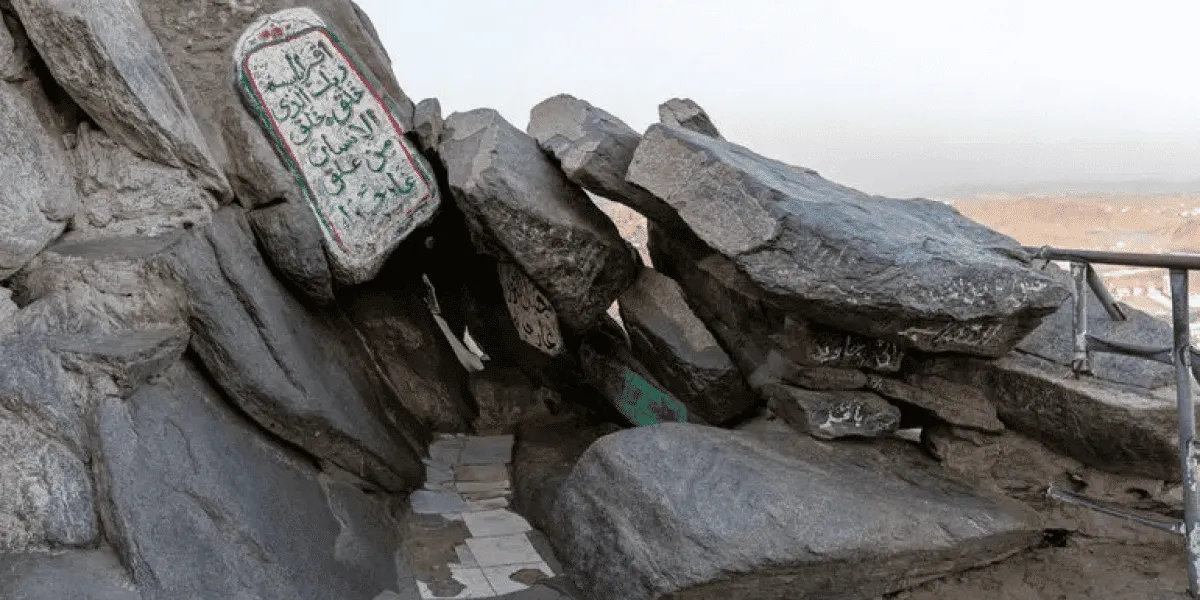
Jabal Thawr lies roughly 4 kilometres south of Masjid al-Haram — in the opposite direction from Jabal al-Noor, which is to the northeast. The mountain is taller and the climb harder than Hira's; the cave itself is near the summit, and reaching it is a serious effort even for fit visitors.
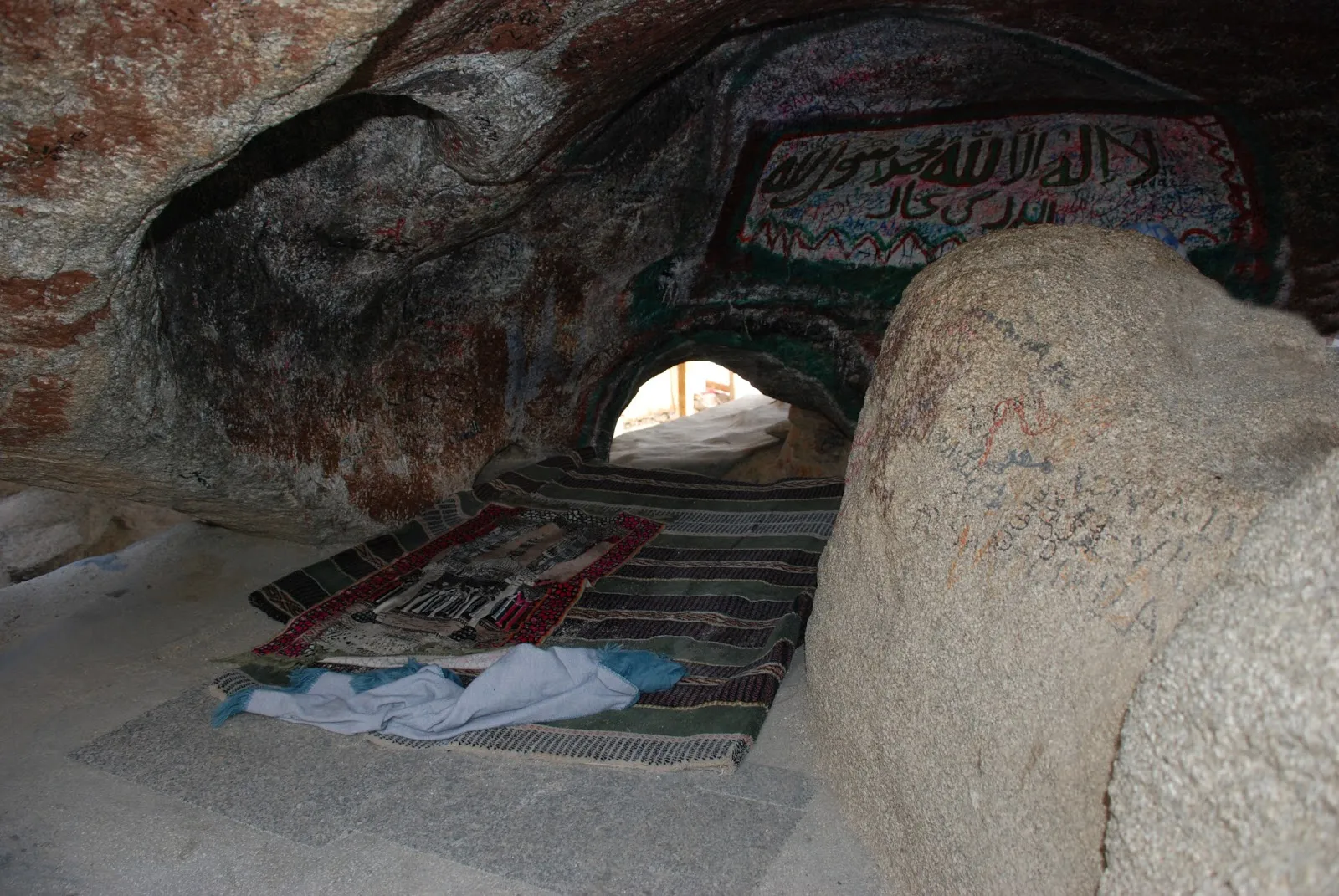
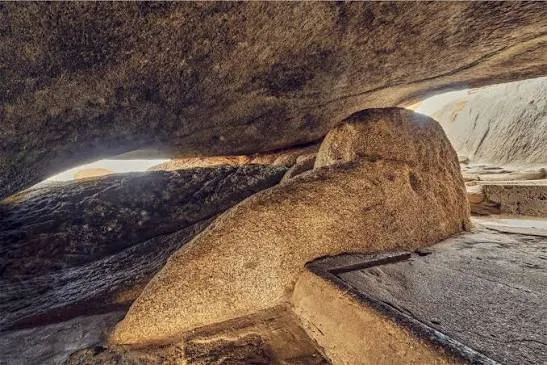
The cave is small and has more than one opening, which is part of why it features so vividly in the story of the Hijrah.
The Story of the Hijrah
Why the Prophet ﷺ left Makkah
After years of persecution in Makkah, and with the Quraysh plotting to kill the Prophet ﷺ, Allah permitted the migration to Yathrib — the city that would become Madinah. The Prophet ﷺ chose Abu Bakr as his companion for the journey.
Heading the wrong way on purpose
Rather than travel directly north toward Madinah — the obvious route the Quraysh would watch — the two men went south first, to Jabal Thawr, and hid in the cave. It was a deliberate misdirection, and it worked: the search parties scoured the roads while the Prophet ﷺ and Abu Bakr waited out the danger close to the city.
"Do not grieve; indeed Allah is with us"
The Qur'an records the moment the searchers came near. Abu Bakr, fearing they would be seen, was reassured by the Prophet ﷺ. Allah says in Surah At-Tawbah (9:40):
"...the second of two, when they were in the cave, and he said to his companion, 'Do not grieve; indeed Allah is with us.' And Allah sent down His tranquillity upon him..."
This verse is one of the great proofs of Abu Bakr's rank among the Companions, and the phrase "do not grieve; indeed Allah is with us" (la tahzan inna Allaha ma'ana) has comforted Muslims in hardship ever since.
Provisions and protection
The two were not entirely alone in their planning. Abu Bakr's son Abdullah brought them news of what the Quraysh were doing; his daughter Asma (may Allah be pleased with her) carried food up to the cave — earning her the title Dhat al-Nitaqayn, "she of the two belts," after she tore her waistband in two to tie up the provisions. Their freed servant Amir ibn Fuhayra grazed sheep near the cave to provide milk and to cover their tracks.
After three nights, when the search had cooled, they set out for Madinah — a journey that would mark the start of the Islamic calendar.
A note on the spider and the dove: A well-loved tradition says a spider spun a web and a dove nested at the cave's mouth, convincing the searchers no one had entered. It is a beautiful image, but it is worth knowing that hadith scholars classify the chains of this particular narration as weak. The Qur'anic account of the protection and tranquillity Allah sent down is the firm and sufficient one; the spider-and-dove detail is best treated as a popular story rather than established fact.
Climbing Jabal Thawr: What to Expect
Be honest with yourself about fitness before attempting this one. Jabal Thawr is higher and steeper than Jabal al-Noor, and the climb commonly takes 1.5 to 2 hours or more, over rough, exposed rock with little shade. The final approach to the cave is tight, and squeezing into the cave itself is awkward.
Practical points mirror those for Hira, only more so:
- Start early. The midday sun on bare rock is punishing; cool hours are essential.
- Bring plenty of water and wear sturdy, closed shoes.
- Know your limits. This is not a casual walk. Those with heart conditions, joint problems, or who are elderly or unwell should not attempt it.
- Allow time. Between the drive, the climb up, time at the cave, and the descent, a visit can easily take half a day.
| Quick facts | Cave of Thawr / Jabal Thawr |
|---|---|
| Location | ~4 km south of Masjid al-Haram |
| Significance | Shelter during the Hijrah (622 CE) |
| Qur'anic mention | Surah At-Tawbah (9:40) |
| Companion present | Abu Bakr al-Siddiq (RA) |
| Climb time | 1.5–2+ hours (one way) |
| Part of Hajj/Umrah? | No — historical visit only |
An Important Note on Visiting
As with the Cave of Hira, visiting the Cave of Thawr is not part of Umrah or Hajj, and no specific worship is attached to it. The Prophet ﷺ and his Companions did not return to it as a place of ritual. People visit to remember the Hijrah and to reflect on the trust in Allah that the story embodies — which is a worthy intention — but the cave is not a shrine, and seeking blessing from its stones or leaving objects there has no basis in the religion.
Putting It in Context
The Cave of Thawr is the second half of a story whose first half is the Cave of Hira on Jabal al-Noor — together they bookend the Makkan period of the Prophet's life, from the first revelation to the departure for Madinah. Many visitors read about both before they travel.
If you're planning the practical side of your trip, our guide to the best areas to stay in Makkah for Umrah will help you base yourself sensibly, and a Saudi eSIM keeps you navigating and connected on the move. You can find more of Makkah's history and services on our Makkah travel hub. If your journey continues to the Prophet's city afterward, see how to travel between Makkah and Madinah.
Frequently Asked Questions
What is the Cave of Thawr?
The Cave of Thawr (Ghar Thawr) is a cave near the summit of Jabal Thawr, south of Makkah, where the Prophet Muhammad ﷺ and Abu Bakr al-Siddiq hid for three nights during the Hijrah, the migration from Makkah to Madinah.
Where is Jabal Thawr located?
Jabal Thawr is about 4 kilometres south of Masjid al-Haram in Makkah — the opposite direction from Jabal al-Noor (the Cave of Hira), which lies to the northeast.
Is the Cave of Thawr mentioned in the Qur'an?
Yes. The event is referenced in Surah At-Tawbah (9:40), which describes the two companions in the cave and the Prophet ﷺ reassuring Abu Bakr: "Do not grieve; indeed Allah is with us."
Is the story of the spider and the dove authentic?
It is a widely retold tradition, but hadith scholars generally classify its chains of narration as weak. The Qur'anic account of Allah's protection is the firm and reliable source for what happened.
Is visiting the Cave of Thawr part of Hajj or Umrah?
No. It is a historical visit with no prescribed rite attached, and it is entirely optional.
How hard is the climb to the Cave of Thawr?
It is harder than the climb to the Cave of Hira — Jabal Thawr is higher and steeper. Expect 1.5 to 2 hours or more over rough terrain, and don't attempt it unless you are reasonably fit and well.
The Bottom Line
The Cave of Thawr marks a hinge in history: three nights in the dark, a city of enemies searching just beyond the entrance, and a quiet certainty that Allah was with them. The migration that followed reshaped the world and gave the Islamic calendar its starting point. Whether you make the strenuous climb to the cave or simply stand at the foot of Jabal Thawr and remember, it is a place that rewards reflection more than spectacle.
Last updated: June 2026. This article is informational; distances and climb times are approximate. Visiting Jabal Thawr is optional and is not part of the rites of Hajj or Umrah.