Compare the best areas to stay in Makkah for Umrah — from Clock Tower hotels to budget zones. Distances to the Haram, prices, transfers and booking tips for pilgrims.
Where you sleep in Makkah shapes your entire Umrah. The difference between a hotel 150 metres from the Haram and one 2 kilometres away isn't just price — it's whether you walk back for every prayer or skip a few because your feet have given up by the third day.
This guide breaks down each major area around Masjid al-Haram by walking distance, typical cost, and the kind of traveller it suits. No filler — just what you need to choose well before you book.
Quick answer: The best areas to stay in Makkah for Umrah are the Clock Tower (Abraj Al Bait) complex and Jabal Omar for the shortest walk to the Haram, Ajyad and Ibrahim Al Khalil Road for solid mid-range value, and Al Misfalah, Shisha/Jarwal, or Al Aziziyah for budget stays. Closer almost always means more expensive — so match the area to your mobility, budget, and how much of the day you plan to spend at the mosque.
Why Your Choice of Area Matters More in Makkah Than Anywhere Else
In most cities you pick a hotel and treat it as a base. In Makkah, the hotel is part of the worship itself. Pilgrims pray five times a day, and many want to return to the Haram between prayers, after meals, or in the small hours for tahajjud. That rhythm means you may cover the distance between your room and the mosque eight to twelve times a day.
Multiply a 15-minute uphill walk by ten round trips and you've spent five hours a day commuting on foot — often in heat, often through dense crowds. The closer your area, the more of your energy stays available for what you came for.
Three factors decide how good an area is for Umrah:
- Real walking distance to a Haram gate, not the straight-line distance a booking site shows.
- The terrain and crossings between the hotel and the mosque (Makkah is hilly, and some routes involve bridges, tunnels, or busy roads).
- Crowd flow during peak times, especially Maghrib and Isha, when the streets nearest the Haram fill quickly.
Keep these in mind as we go through each zone.
How Close Is "Close"? Distance to the Haram at a Glance
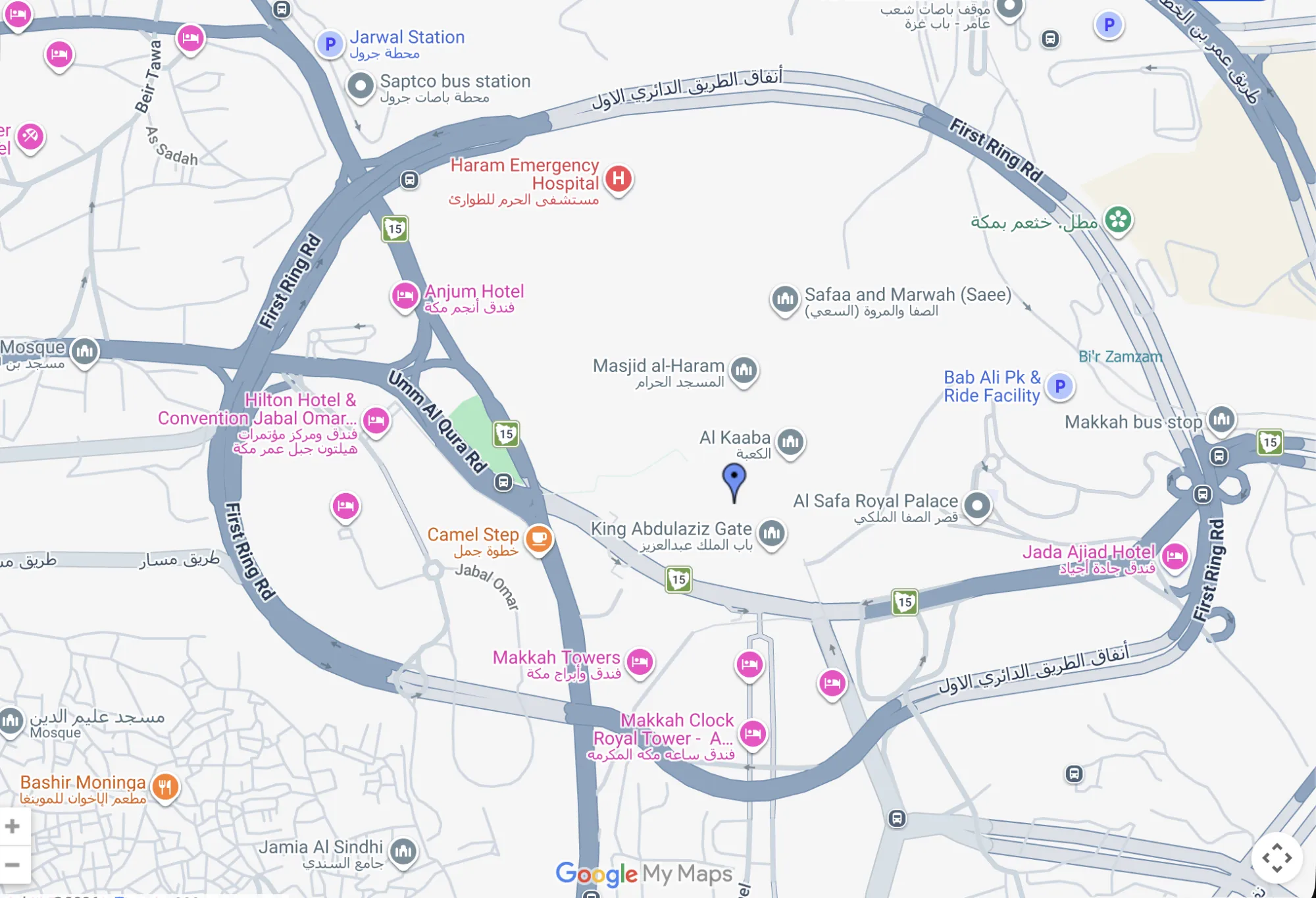
"Walking distance" is used loosely in Makkah hotel listings. A property advertised as "5 minutes from the Haram" might mean five minutes to the outer courtyard gate — not to your prayer spot inside, which can be another ten minutes through security and across the floor. Build that buffer into your planning.
Here's how the main areas compare:
| Area | Typical walk to Haram | Price tier | Best for |
|---|---|---|---|
| Abraj Al Bait / Clock Tower | 2–10 min | $$$$ | Elderly, peak-season, max convenience |
| Jabal Omar | 5–12 min | $$$$ | Luxury seekers, families wanting space |
| Ajyad | 5–15 min | $$$ | Balanced value, repeat pilgrims |
| Ibrahim Al Khalil Road | 8–20 min | $$–$$$ | Wide hotel choice, mid-range |
| Al Misfalah | 10–20 min | $$ | Quieter stays, small groups |
| Shisha / Jarwal | 12–25 min | $–$$ | Budget travellers, longer stays |
| Al Aziziyah / Rusaifah | Shuttle/taxi (10–20 min ride) | $ | Lowest cost, groups on packages |
Price tiers are relative and shift sharply with the season — a $ room in low season can cross into $$$ territory during Ramadan.
The Best Areas to Stay in Makkah for Umrah
1. Abraj Al Bait (Clock Tower Complex) — Steps from the Haram
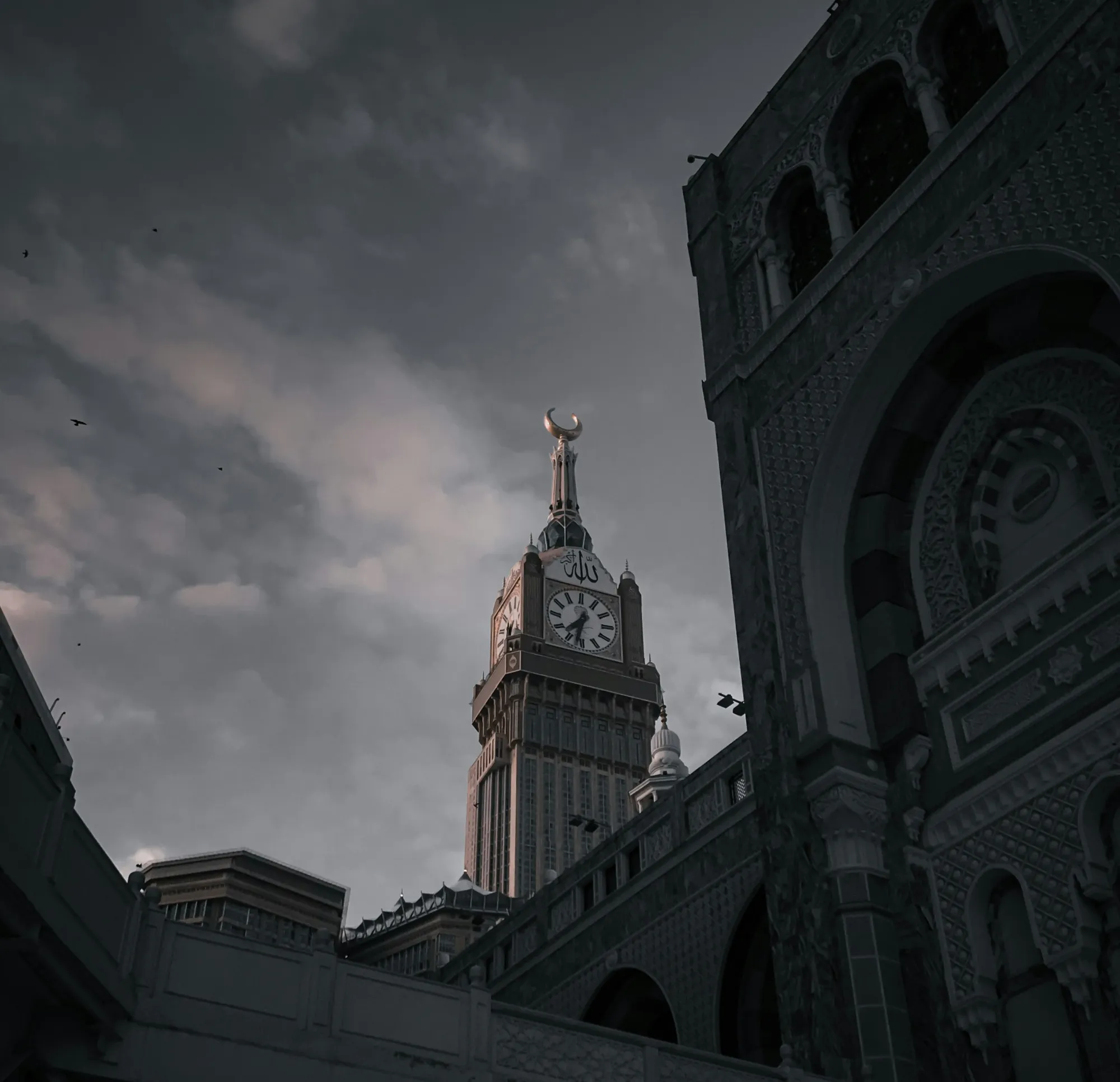
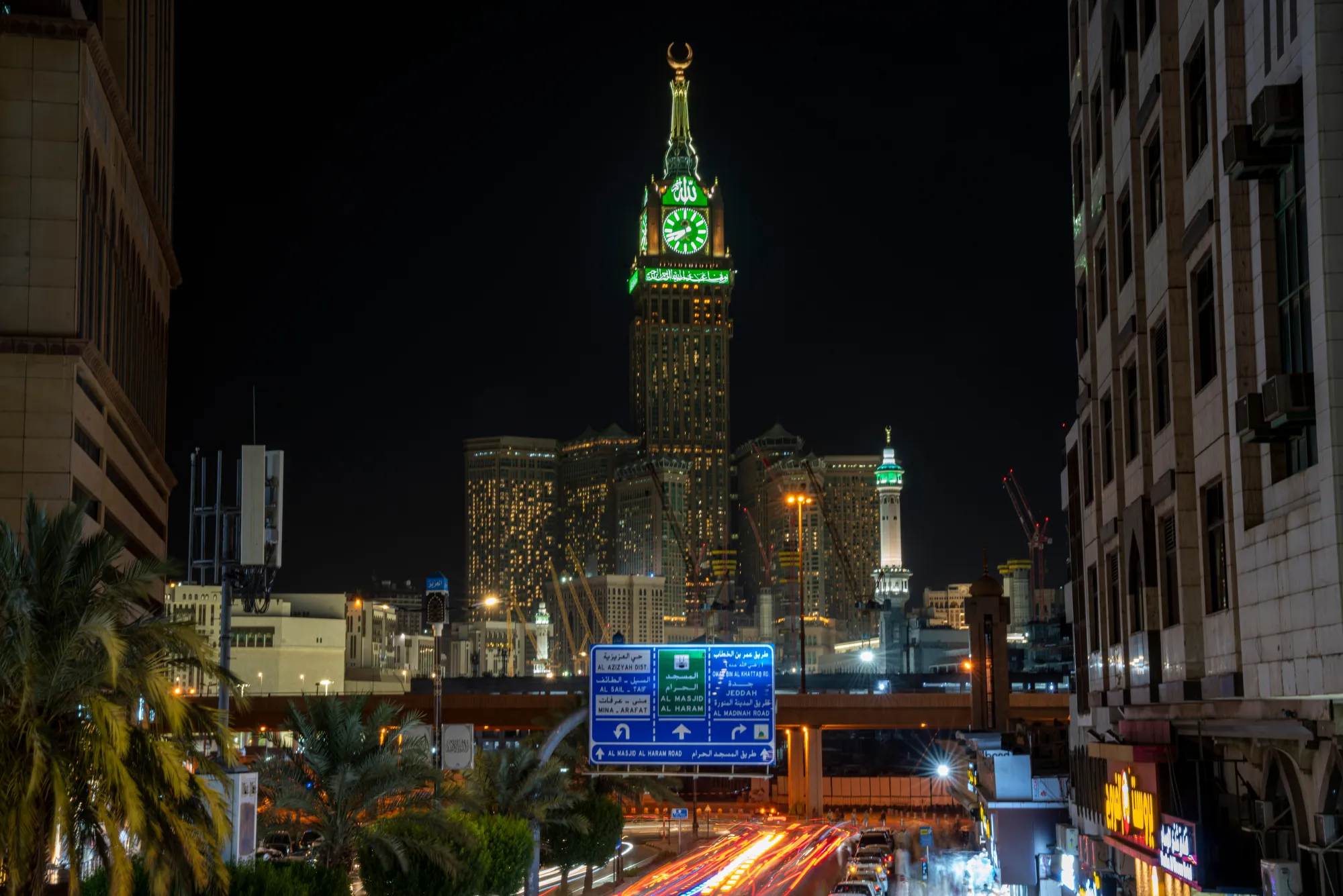
The seven towers beneath the giant clock sit directly across from the Haram's main piazza. Staying here means you can be inside the mosque within minutes, and you never have to think about transport, weather, or crowd routes. For elderly pilgrims, people with limited mobility, or anyone visiting during Ramadan or the busy Umrah months, this is the most stress-free option in the city.
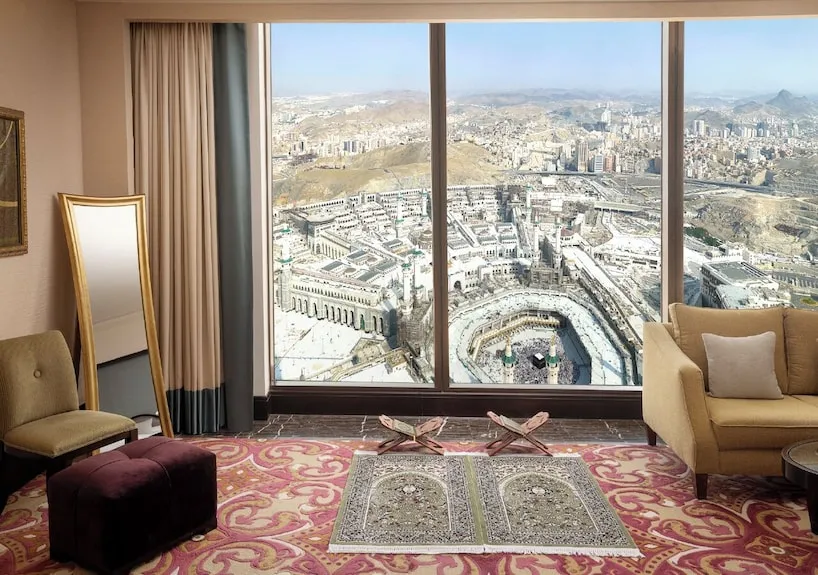
The towers house several internationally branded hotels — Fairmont Makkah Clock Royal Tower, Raffles Makkah Palace, Swissôtel Al Maqam, Swissôtel Makkah, Pullman ZamZam Makkah, and Mövenpick Hotel & Residences among them. Many offer rooms with a direct view of the Kaaba, which command a significant premium.
What you trade for that location is money and atmosphere. Rates are the highest in Makkah, the complex sits above a large shopping mall, and it can feel more like a luxury commercial hub than a quiet retreat. If your priority is proximity above all, nothing beats it.
2. Jabal Omar — Luxury with a Direct Walkway
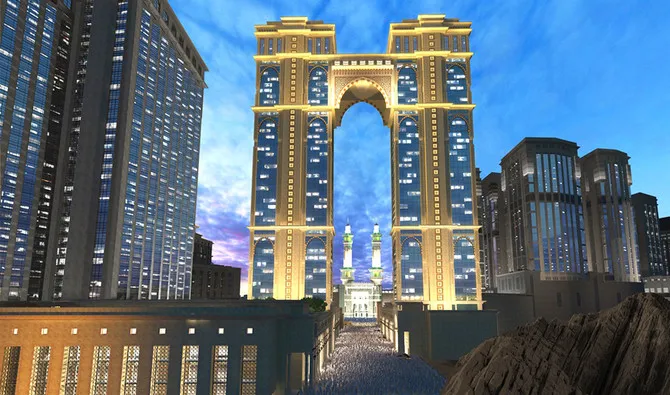
On the opposite side of the Haram from the Clock Tower, the Jabal Omar development is a newer cluster of high-end hotels connected to the mosque by pedestrian bridges and walkways. It offers a similar tier of comfort to the towers — think Conrad Makkah, Hilton Suites Makkah, Hyatt Regency Makkah, Address Jabal Omar, and Jabal Omar Marriott — often with more spacious rooms and a slightly calmer feel.
The walk is short but not always flat; some routes use escalators and elevated bridges, which is a help for many and an extra step for those with heavy luggage or strollers. Jabal Omar suits families and travellers who want five-star service without being directly on top of the mall crowds.
3. Ajyad — The Classic, Walkable Middle Ground
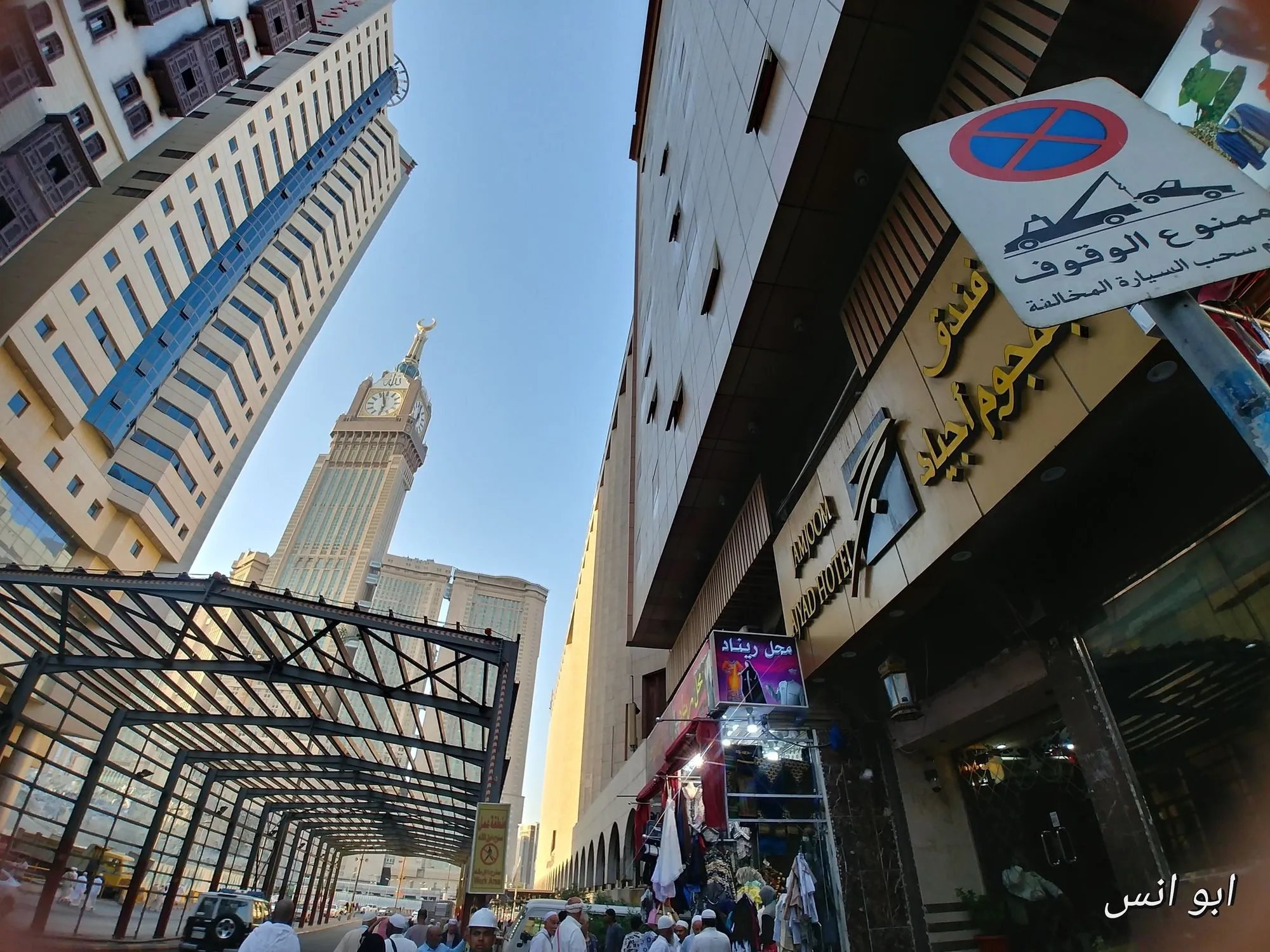
Ajyad runs along the southern side of the Haram and has been a pilgrim favourite for decades. You get a genuine short walk to the King Abdul Aziz and southern gates, plus lively streets full of restaurants, money changers, and small shops selling dates, prayer mats, and everyday essentials.
Hotels here span a wide range, so you can find a comfortable three- or four-star room without paying tower prices. It's a strong choice for repeat pilgrims who know they want to be close but don't need a branded five-star, and for anyone who likes having food and shops on the doorstep.
4. Ibrahim Al Khalil Road — The Hotel Spine of Makkah
If you've browsed Makkah hotels online, most listings sit along or just off Ibrahim Al Khalil Road. This is the long artery that feeds into the Haram area, lined with everything from budget guesthouses to international four-stars. The further down the road you go, the cheaper it gets and the longer the walk becomes.
The appeal here is choice and flexibility. You can pick your exact distance-to-price trade-off: a hotel near the top of the road is a comfortable walk, while one further out may need a 15–20 minute stroll or a short taxi during peak crowds. Read the map carefully before booking — two hotels on the same road can mean very different daily realities.
5. Al Misfalah — Quieter and Better Value
Just south of the Haram, Al Misfalah offers a calmer atmosphere than the streets immediately around the mosque, usually at a lower price. Walking times vary from around 10 to 20 minutes depending on where you are within the district. It's a sensible pick for smaller groups and travellers who prefer to step away from the constant density near the gates while still being able to walk in.
6. Shisha & Jarwal — Budget-Friendly for Longer Stays
These neighbourhoods sit a little further out and reward travellers who are watching their spend or staying for an extended period. You'll generally walk 12–25 minutes, or take a short ride during busy prayers. The savings on a 10- or 14-night stay can be substantial, which is why many longer-stay pilgrims base themselves here and accept the extra walking as part of the trip. Jarwal is also where the city's main bus station sits, useful for onward travel.
7. Al Aziziyah & Rusaifah — Lowest Cost, Shuttle Required
Aziziyah is the classic budget zone, popular with group packages and travellers who don't mind a short bus or taxi ride to the Haram. You won't walk to the mosque from here — plan on a 10–20 minute ride, longer when traffic builds before prayers. The upside is significantly cheaper, often larger accommodation, and easier access to supermarkets and laundromats for self-catering stays.
Rusaifah is worth knowing for a different reason: the Makkah station of the Haramain High-Speed Railway sits in this district, roughly 3–4 km from the Haram. If you're arriving by train, you'll land here and then need onward transport to your hotel.
8. Al Naseem & Kudai — Newer Developments to Watch
As Makkah expands, areas like Al Naseem and the Kudai zone have added modern accommodation and transport links. These tend to be value-oriented and well-serviced, though most still require a ride to the Haram rather than a walk. They can be a smart fit for travellers who prioritise newer rooms and easy logistics over a doorstep location.
Makkah Areas Compared: Who Should Stay Where
| If you are… | Best-fit area(s) | Why |
|---|---|---|
| Elderly or have limited mobility | Clock Tower, Jabal Omar | Shortest walk, minimal stairs/terrain, return between prayers easily |
| A family with young children | Jabal Omar, Ajyad | Space, services, manageable distance |
| A first-time pilgrim | Ajyad, Ibrahim Al Khalil (upper end) | Walkable, plenty of food and shops, easy orientation |
| On a tight budget | Shisha/Jarwal, Aziziyah | Lower nightly rates, fine for a short ride or longer walk |
| Staying 10+ nights | Misfalah, Shisha | Savings compound over a long stay |
| Visiting during Ramadan | Clock Tower, Jabal Omar | Crowds make every extra metre harder; proximity is worth the premium |
Matching the Area to Your Trip
A few honest trade-offs to weigh before you commit.
First-time pilgrims often underestimate how much walking the trip involves and overestimate their stamina in the heat. If it's your first Umrah, lean closer than you think you need to. The peace of mind of being able to retreat to your room and return easily is worth a lot.
Elderly travellers and anyone with mobility issues should treat proximity as non-negotiable rather than a luxury. A room in the Clock Tower or Jabal Omar that lets a parent rest between prayers can be the single best decision of the trip.
Families benefit from slightly larger rooms and kitchenettes, which are easier to find in Jabal Omar properties and along Ibrahim Al Khalil Road. Being able to prepare a quick meal saves both money and the ordeal of managing tired children in packed restaurants.
Budget travellers can stay further out without guilt — millions do — provided you're realistic about the daily walk or short rides and you build that into your routine. Pair a Shisha or Aziziyah base with a clear plan for getting to the Haram and you'll be fine.
Ramadan pilgrims face a different city entirely. The streets near the Haram can fill an hour or more before Maghrib, gates close when capacity is reached, and what's normally a 10-minute walk becomes a slow shuffle. During this season, the closest areas earn their premium many times over.
Getting from Jeddah Airport to Your Makkah Hotel
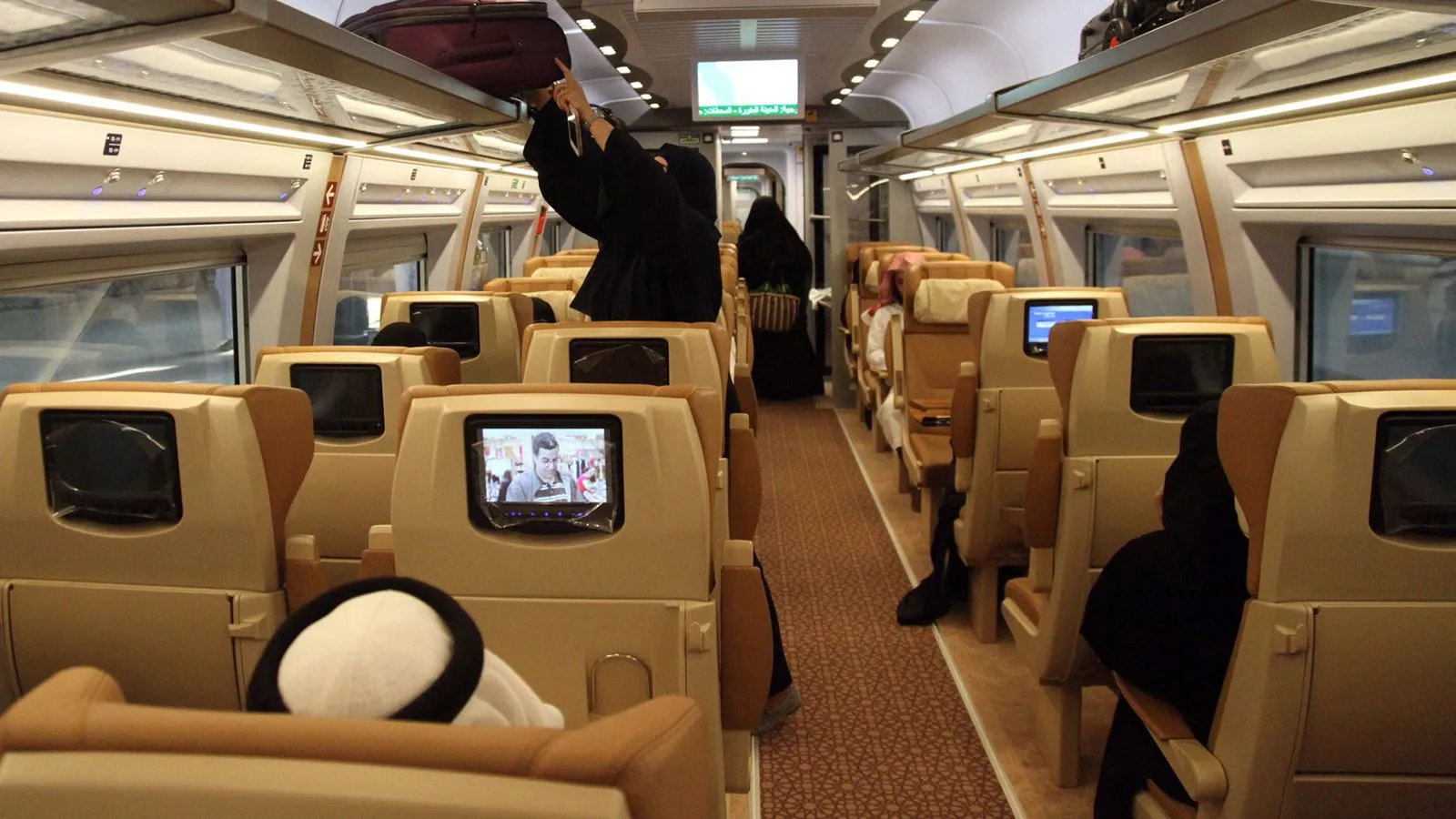
Most international pilgrims arrive at King Abdulaziz International Airport (JED) in Jeddah, roughly 90–95 km from Makkah. How you cover that last stretch matters, especially after a long-haul flight in Ihram.
| Option | Approx. journey time | Door-to-door? | Best for |
|---|---|---|---|
| Private transfer (pre-booked) | 75–90 min by road | Yes | Families, groups, first-timers, lots of luggage |
| Haramain High-Speed Train | ~35–45 min station to station | No (station ~3–4 km from Haram) | Solo travellers, light luggage, budget |
| Official airport taxi | 75–90 min | Yes | Convenience without pre-booking |
| Intercity bus | ~2 hours | No | Lowest cost |
A pre-booked private airport transfer is the easiest choice for most pilgrims — a named driver meets you, handles the luggage, and takes you straight to your hotel door, which is invaluable when you're tired, in Ihram, and arriving at an unfamiliar airport. Confirm the price and pickup point in writing before you travel.
The Haramain train is fast and comfortable, with a station inside the airport, but remember it drops you at Makkah's Rusaifah station several kilometres from the Haram — you'll still need a taxi to your hotel, plus the train has stricter luggage limits. It shines for solo travellers with a backpack; it's a hassle for a family with suitcases.
Tip: Whatever you choose, decide your route before you land. Sorting transport on arrival, jet-lagged and in Ihram, is the most common stumble of the first day.
For a full breakdown of every option — train, taxi, private transfer and bus — with current fares and times, see our complete guide to getting from Jeddah Airport to Makkah.
Practical Tips Before You Book
Book early — and respect the Ramadan surge. Hotels nearest the Haram sell out first, and prices climb steeply during Ramadan, school holidays, and the peak winter Umrah months. Booking two to six months ahead generally gets you better rates and a real choice of rooms. Prices during Ramadan can roughly double, so if your dates are fixed, lock in early.
Verify the real walking distance. Cross-check the hotel's location on a map against a named Haram gate, and read recent guest reviews that mention actual walk times. Listings measure distance generously. A property described as "near the Haram" may sit on the far end of Ibrahim Al Khalil Road.
Know your gate. Pilgrims often pick a regular entrance and prayer area and stick to it — it makes meeting family easier and reduces disorientation in a vast mosque. Hotels near the gate you'll use most are worth prioritising over a slightly closer hotel near a gate you'll rarely enter.
"Haram view" costs real money. A confirmed Kaaba or Haram view is one of the biggest price drivers in Makkah. If the view isn't essential to you, a "city view" room in the same building can cost far less while keeping the same location.
Stay connected with a Saudi eSIM. Grab an eSIM for Saudi Arabia before you fly so you have data the moment you land — useful for confirming your transfer, navigating to your hotel, messaging family, and looking up prayer times. An eSIM activates without swapping your physical SIM or hunting for a kiosk at the airport, and you can buy it in advance from your home country. New to eSIMs? Our guide to the best Saudi Arabia eSIMs for Umrah covers setup, data sizing, and what to check first.
Plan the rest of your route. If you're combining Makkah with Madinah, the Haramain train connects the two cities in roughly two and a half hours, and many pilgrims do Makkah first, then Madinah. See our guide on how to travel between Makkah and Madinah for fares and timings, and the best areas to stay in Madinah near Al-Masjid an-Nabawi before you book the second leg.
Frequently Asked Questions
What is the best area to stay in Makkah for Umrah?
For the shortest walk to Masjid al-Haram, the Abraj Al Bait (Clock Tower) complex and Jabal Omar are the best areas, though they're the most expensive. For balanced value, Ajyad and the upper end of Ibrahim Al Khalil Road are strong choices. Budget travellers do well in Al Misfalah, Shisha/Jarwal, or Al Aziziyah.
How close should my hotel be to the Haram?
If budget allows, aim for a hotel within a 5–10 minute walk, especially for elderly travellers or visits during Ramadan. A 10–15 minute walk is comfortable for most fit travellers. Beyond about 20 minutes on foot, you'll likely rely on taxis or shuttles during peak prayers.
Which Makkah hotels are closest to the Kaaba?
Hotels inside the Clock Tower complex — such as Fairmont Makkah Clock Royal Tower, Raffles Makkah Palace, Pullman ZamZam, and Swissôtel — are among the closest, some offering direct Kaaba views. Jabal Omar hotels like Conrad, Hilton Suites, and Hyatt Regency are also very close via pedestrian bridges.
Is it cheaper to stay further from the Haram?
Yes. Nightly rates drop noticeably as you move away from the mosque. Areas like Aziziyah, Shisha, and Jarwal offer much lower prices, with the trade-off of a longer walk or a short taxi/shuttle ride to the Haram.
How do I get from Jeddah airport to my hotel in Makkah?
The main options are a pre-booked private transfer (75–90 minutes, door to door), the Haramain High-Speed Train (about 35–45 minutes station to station, but the Makkah station is a few kilometres from the Haram), an official airport taxi, or an intercity bus. Private transfers are easiest for families and first-time pilgrims.
Do I need a local SIM or eSIM in Makkah?
A Saudi eSIM is the most convenient way to stay connected. Buying and installing it before you travel means you have data on arrival for navigation, transfers, and contacting family — without queuing for a SIM at the airport. Confirm your phone is eSIM-compatible.
When should I book my Makkah hotel?
Book two to six months before your travel date for the best rates and availability. Hotels near the Haram sell out early, and prices rise sharply during Ramadan and the peak winter Umrah season.
Can I walk to the Haram from Aziziyah?
Not realistically — Aziziyah is too far to walk for most pilgrims. Plan on a 10–20 minute taxi or shuttle ride, which can be longer when traffic builds before prayer times.
The Bottom Line
The best area to stay in Makkah for Umrah is the one that matches how you'll actually spend your days. If you want to be at the Haram from the first adhan to the last and have the budget, stay in the Clock Tower or Jabal Omar. If you want a good balance of cost and convenience, Ajyad and Ibrahim Al Khalil Road are hard to beat. If you're watching every riyal or staying a couple of weeks, the value zones further out will serve you well — as long as you plan your walks and rides.
Decide your priority first — proximity, budget, or space — then book early, confirm your airport transfer, set up your eSIM, and you've cleared the logistics that trip up most first-time pilgrims. The rest of your energy is free for the journey itself.
Last updated: June 2026. Distances and walking times are approximate and vary with crowds, construction, and the gate you use; always check current details when booking.